
The Company That Keeps Trying to Talk You Out of Buying Its $500 Dolls
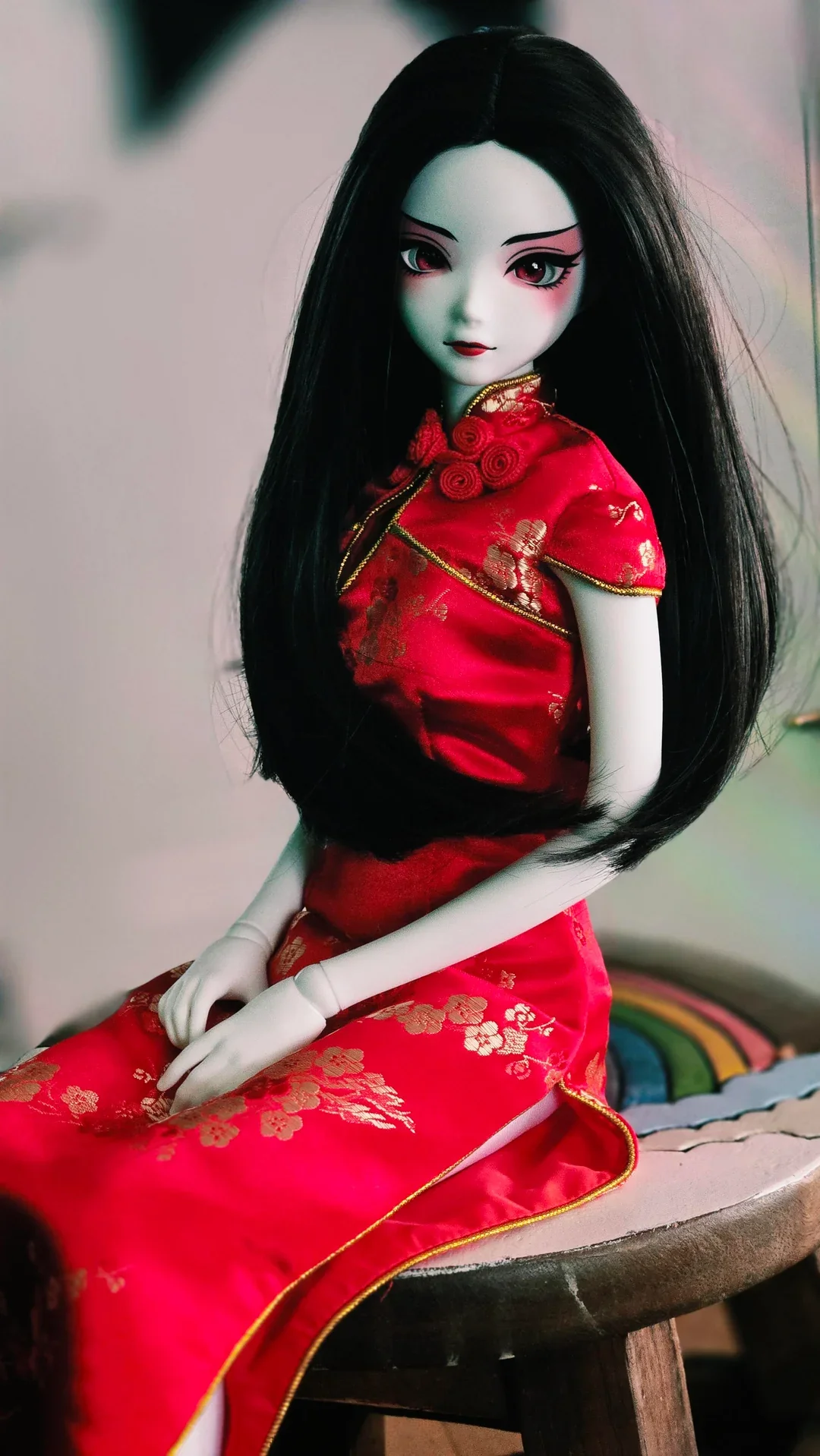
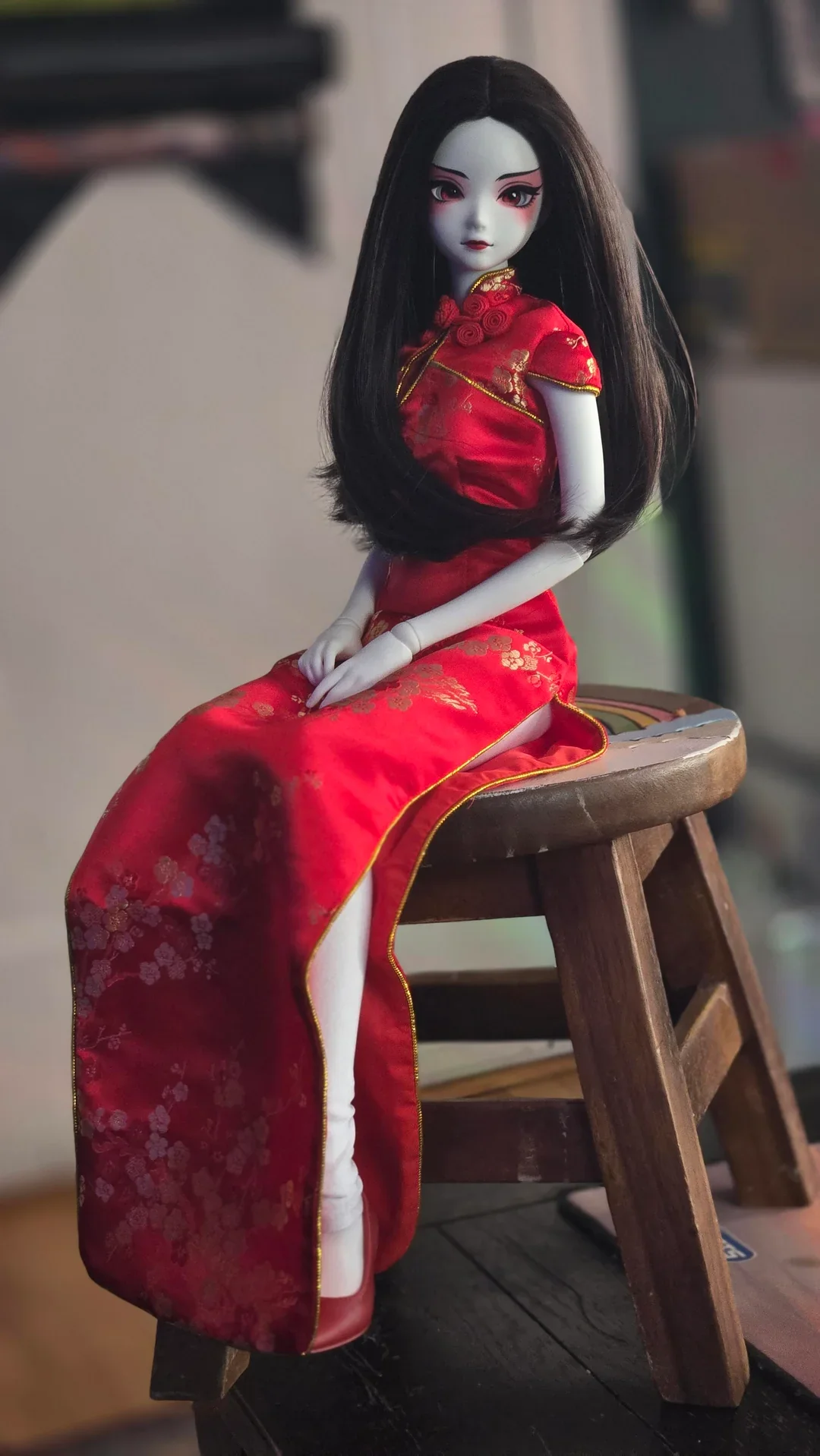
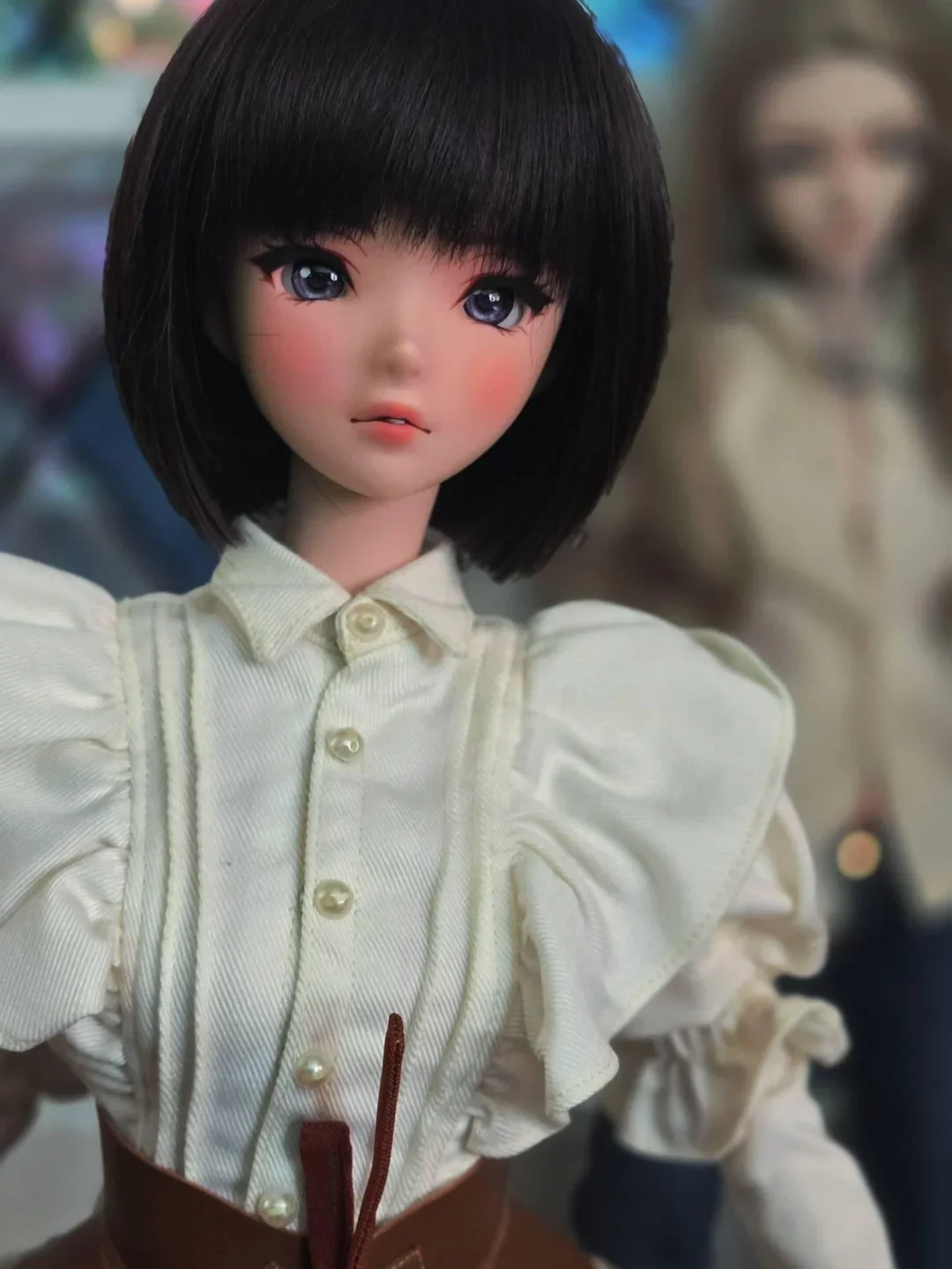
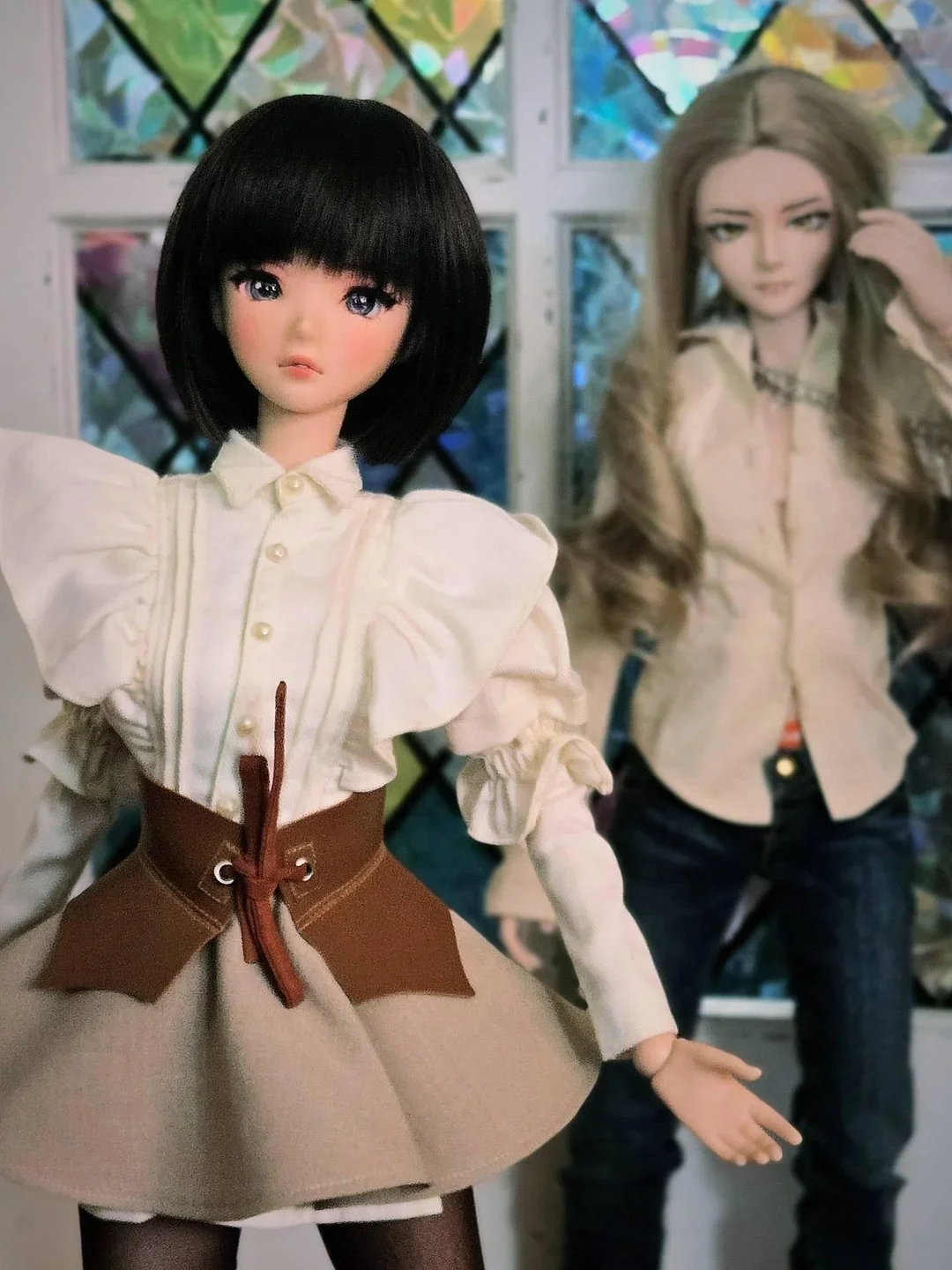
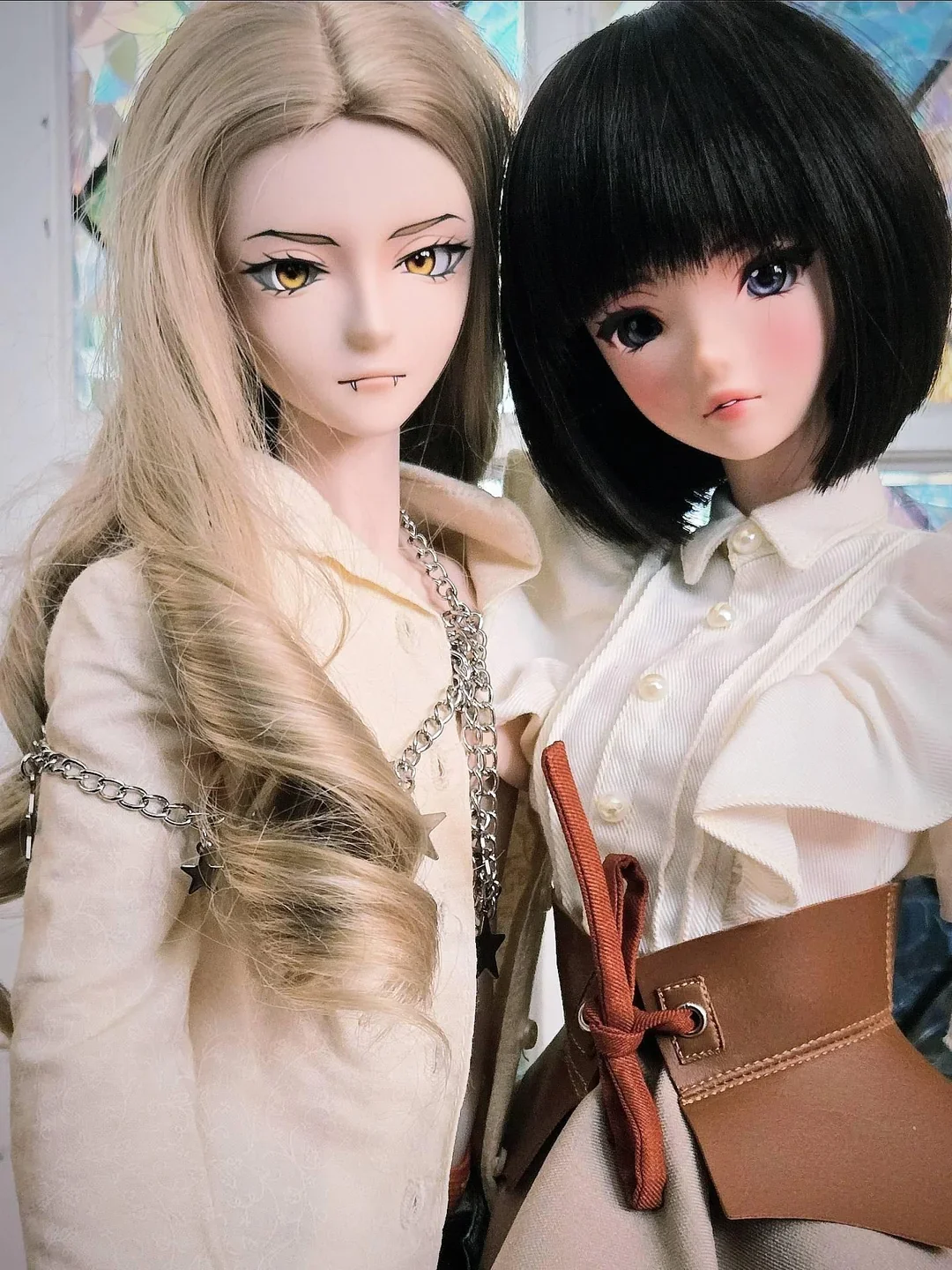
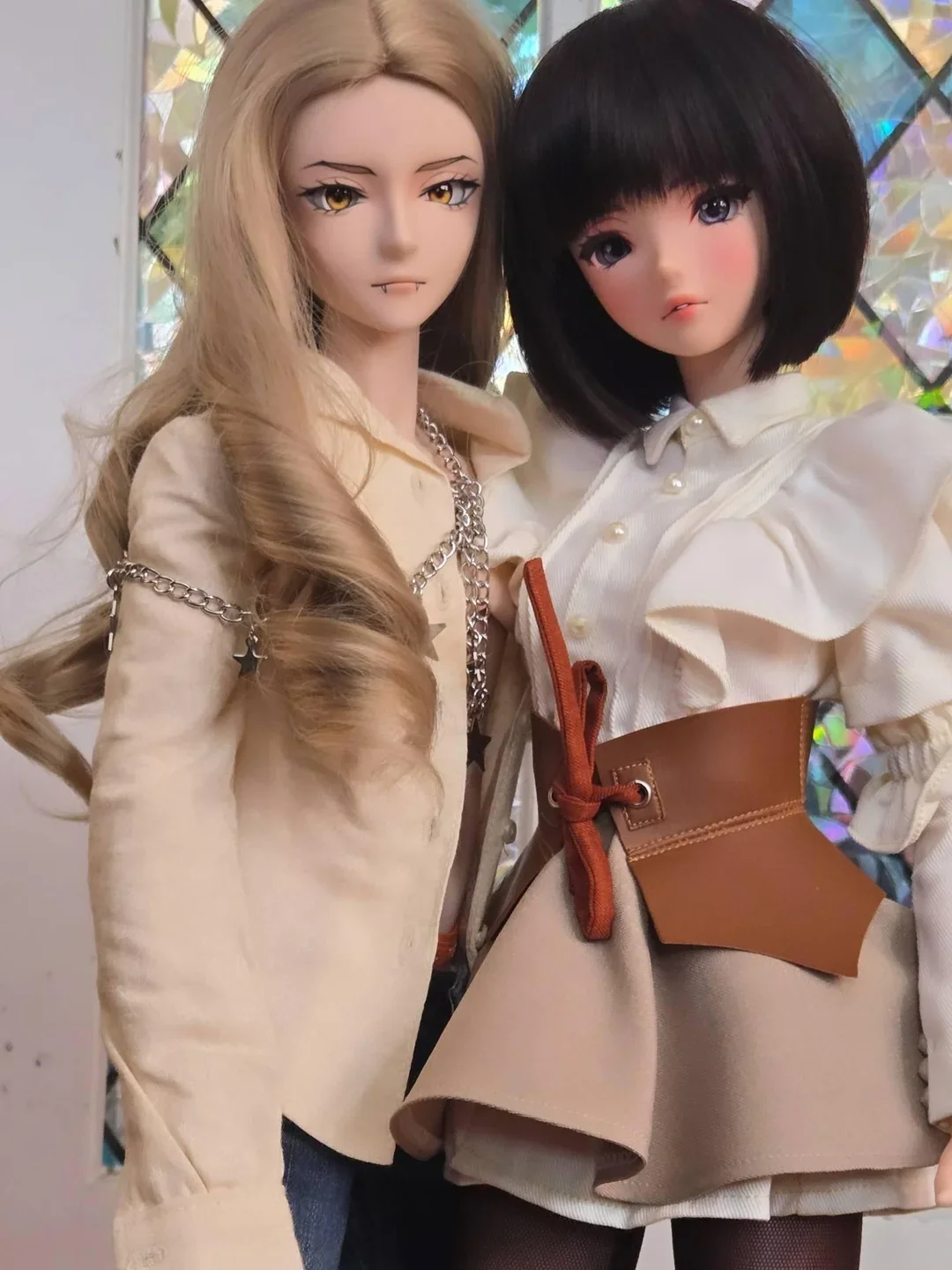
I've been circling Smart Doll (the line created by Danny Choo, fronted by his character Mirai Suenaga) for a while now, and what finally pushed me to write about it isn't the sculpts or the skin tones — it's the sales funnel. Somewhere in the checkout flow, Smart Doll Store decided that the correct way to sell a ¥72,000 (roughly $500 USD, and that's before clothes) collectible is to actively slow you down and make sure you actually know what you're getting into first. That's such a strange, refreshing instinct for an e-commerce site that I had to dig into how deep it goes.
The pre-checkout pop quiz
The pre-checkout pop quiz
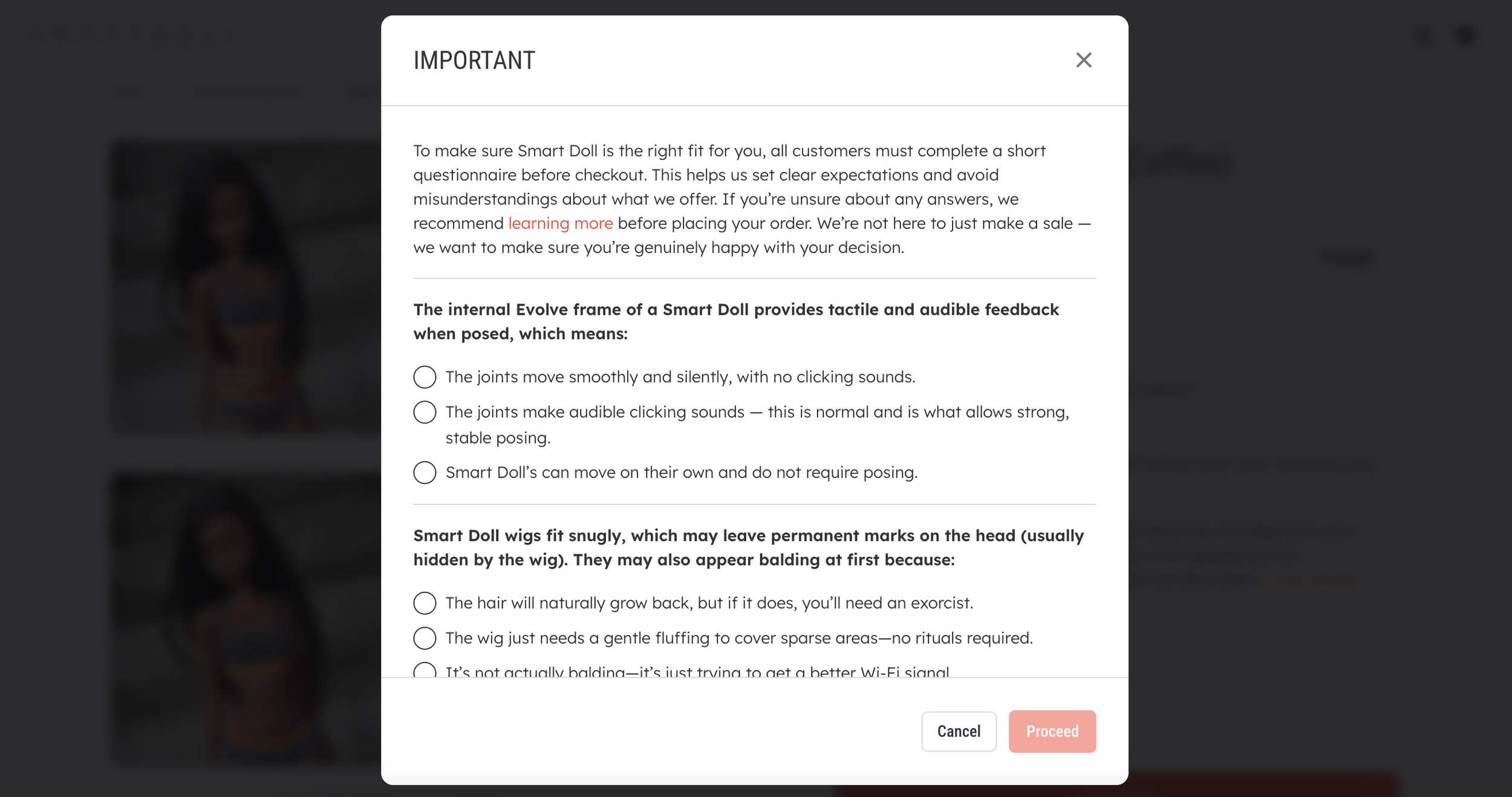
Try to add a Smart Doll to your cart and you're met with a modal literally titled "IMPORTANT" — not a marketing banner, not an upsell, an honest-to-goodness comprehension check. The site states plainly that every customer has to get through a short questionnaire before checkout, framed as a way to set expectations and head off misunderstandings, with a nudge toward the brand's "learning more" resources if you're not sure of an answer. It closes with a line that stuck with me: they're not there to just make a sale, they want you genuinely happy with the decision.
Then it actually quizzes you. Multiple choice, one topic per section, and each one is aimed at a real complaint new owners could plausibly have:
Joint sounds. The internal "Evolve" frame clicks audibly when posed — the correct answer isn't "silent," it's that clicking is normal and is what gives the doll stable, strong posing.
Wig fit. Wigs sit snugly enough to leave permanent (usually hidden) marks, and the doll can look balding underneath at first — cheekily wedged between two joke answers involving exorcists and Wi-Fi signals.
Skin texture. Birthmarks, stretch marks, dents, and air bubbles are called out as expected results of slush casting, not defects — with "I see these as flaws and won't buy" offered as a legitimate, judgment-free option.
Limb symmetry and facial asymmetry. Both are disclosed outright, since the parts are hand-finished rather than machine-uniform.
That last option pattern is the part I keep coming back to — "I've decided not to purchase" isn't hidden as a dead end, it's presented as a valid, respected outcome of the quiz. And the modal doesn't disappear once you've seen it: it asks whether you want the checklist to run again on your next cart add, or whether you're good until they change it.
The disclosures don't stop at the modal
What surprised me is that this same instinct shows up everywhere on the product page, not just gating checkout. The Qingyi listing I was looking at has a dedicated "Production Notes" section warning that the eyeshadow paint mask's outer edge can be faintly visible under certain lighting if you display her without a wig, and a plain-language heads-up that this particular release ships with a newer accessory version with no option to pick the older alternative.
Below that sits a whole "Before You Buy" writeup specific to the skin tone — in this case a limited "Porcelain White" that the copy admits shows yellowing, blemishes, and texture variation more visibly than darker tones, carries a higher production rejection rate, and can pick up faint blue casting marks or blush overspray. It even explains their working theory for why (airborne particles in a non-cleanroom casting environment) and closes by telling anyone sensitive to cosmetic variation or who wants strict color consistency that this tone might not be for them. That's a company arguing against its own limited-edition drop.
Release dates as an honesty mechanism
The listing also states its release date outright — 2026/05/22 for this piece — alongside a link to an "availability" explainer and a notify-me option for when a doll is sold out or between batches, rather than pretending everything's always in stock. Paired with the checkout notes at the bottom of the site (no discounts, no under-declaring customs value, no rush shipping, no delivery-date guarantees — folded in with a Star Wars joke about who shot first) it reads less like fine print and more like the brand is trying to keep expectations calibrated at every touchpoint, not just the one right before you pay.
Why this works
I've bought from a lot of doll companies, and "buy me anyway" is the default posture almost everywhere in this hobby — glamour shots, no disclosure of production quirks, discovering the wig-mark thing for yourself after the box arrives. Smart Doll's checklist-and-disclosure approach is the opposite bet: tell people the weird, occasionally unflattering truths about a hand-cast vinyl collectible up front, let them opt out with zero friction, and trust that the customers who click "Proceed" anyway will be the ones who stay happy owners. For a $500 purchase decision, being talked out of an impulse buy — even gently, even with jokes about exorcists — is the most customer-respecting thing I've seen a doll brand do.
(Screenshots and product details referenced above are from the Smart Doll Store listing for Qingyi, White skin tone.)